
Healed but Not Free
The enduring, forced indignity of begging and borrowing for healthcare
By Catherine Wanjala (Kenya HealthFin Diaries Research Manager)
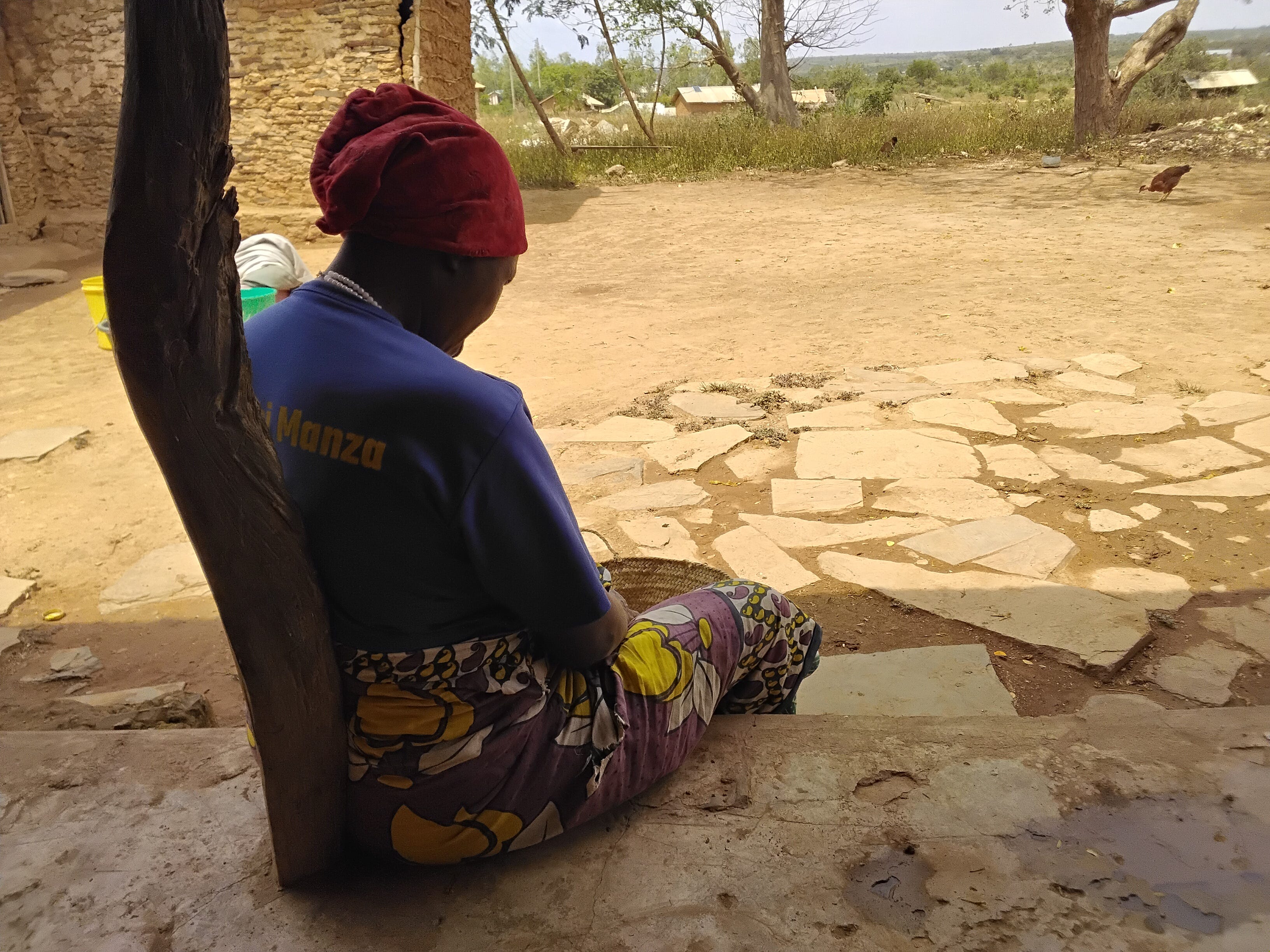
When Jane was ready to give birth to her third child at the beginning of our study, she went to a nearby private clinic. She had gone to antenatal clinics at the local public health center and expected to deliver there at no cost. But when she went into labor it was late at night, the health centre closed for the night.
When she arrived at the private clinic, she asked whether they would accept SHA insurance, and they said she had a choice: either pay KSh 6000 in SHA premiums to activate her cover or pay KSh 4500 cash for delivery services. She had only KSh 2500 on hand and asked if they could accept that amount as a deposit, with her clearing the balance when she got back on her feet. The hospital agreed on the condition that they would withhold the baby’s birth notification (used to get a birth certificate) until the debt was paid,
Jane’s story is not an exception. It is the system working exactly as millions of Kenyans experience it, one in which the gap between what healthcare costs and what people can afford is routinely bridged not by policy, but by negotiation, debt, and begging the powerful for help. Gaps in the financing of care mean that many people like Jane are enduring situations in which, while already in pain, their dignity is also lost to the system that was supposed to guarantee it.
Jane’s is one of 330 households the Kenya Health Financial Diaries study has been following across Kenya. Our team has been tracking how low-income Kenyans make decisions when faced with health challenges, their experiences seeking care, and how health and finances shape each other in daily life. Earlier studies have shown that people often delay or forgo care entirely when money runs short, that is, until the situation becomes unmanageable. That is when they turn to friends and family, sell assets, or take out loans. Thirty-six (11%) of the households in our study have outstanding medical debt, several to more than one facility or care provider. This medical debt does not end when the patient heals. For many, it lingers as its own chronic condition.
What do you have?
Being able to clear a medical bill later is not a given. Providers typically want some kind of guarantee. In Jane’s case, the collateral was her unborn child’s birth notification. Joyce, another respondent in the same area, had a huge medical bill of KSh 1.5 million, which accumulated when her mother was admitted to the hospital with a heart problem. Part of the bill, KSh 500,000, was paid by NHIF, while the remaining KSh 1 million was to be raised by the family. Unable to clear the bill and eager to give their mother a proper burial, the family asked to pay later using the title for their family land of three acres as the guarantee. Divorced and with her sister also admitted to the hospital during the mother’s illness, Joyce took on the burden of the medical debt on her own. During our study, she has been paying an average of KSh 7,500 per month, slowly chipping away at the enormous sum outstanding. The fear of losing the land has kept Joyce committed, even when other financial issues – like dealing with some of her own health challenges—arose. In April this year, the area MCA, through lobbying, cleared the remaining amount, and the family got back their title deed after years of painstaking struggle.
When there is no collateral, especially for admissions with large medical bills, hospitals typically refuse to discharge the patient. In one of our rural sites, Sylivia was admitted to a level 4 public facility from January through May. She was admitted to receive treatment for tuberculosis that had affected her spinal cord. She was discharged a few weeks later, still on medication but stable. Since the family could not raise the required KSh 115,000, she was hospitalized an additional three months. A relative who works at the governor’s office eventually asked him for financial help. The governor called the hospital and negotiated the bill on their behalf. They paid KSh 62,000 and were released to go home. They sold part of their land to raise that money, itself an enormous expense. If not for the governor’s intervention, she would probably still be in the hospital.
A relationship as a substitute for collateral
It’s not just big hospital bills that require negotiation, supplication, and debt. Families also struggle to afford the medicines they need when those are not available in public facilities. Local chemists and smaller private facilities—much like the shopkeepers Catherine Molyneux and Jane Chuma wrote about in 2009—play a key role in helping patients finance care. At these private care points, a prior relationship between the vendor and client is the key that unlocks credit. Chemists extend credit to patients who visit regularly.
These facilities are located within local communities, making them accessible and familiar to most of their patients. In Kwale, for example, one respondent took his daughter to a private provider he visits regularly because he felt the staff understood his financial struggles and could be flexible. On one visit, the cost was KSh 1350. Our respondent paid KSh 800 and promised to clear the balance at a later date. Being able to extend some of this small credit to patients is something chemists, especially in rural areas, feel is essential for gaining and retaining clients in a competitive environment. This, however, raises a question: How much debt can a local facility accommodate while continuing to treat the same people they have been serving when those people are chronically poor?
Negotiating dignity
The unaffordability of care turns many families into supplicants, whether that’s turning to politicians, their relatives and church members, or providers themselves begging for credit that helps them get the care they need and spread the burden over time. It’s a sacrifice of dignity for access. Not everyone has direct access to politicians who can help negotiate or clear huge hospital bills. Those who finally get access do so through so costly lobbying that has its own price. While medical debt can make urgent care possible, it means the struggle of overcoming illness lingers long after a medical crisis subsides. Delivering stronger health finance policy in action will go a long way toward closing not just the affordability gaps people face, but the dignity gaps as well. Until then, millions of Kenyans will continue to heal, but will not yet be free.
This is the sad reality of low income mwananchi in Kenya; overwhelmed by medical bills and debt!
Quite unfortunate!
"Negotiating dignity" is non-negotiable. The phrase hit me at the core.